
Natural Teeth Whitening: What Works, What Doesn’t, and Safe Alternatives
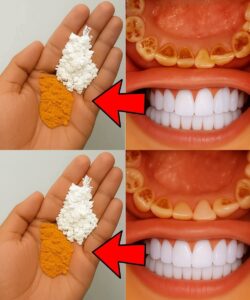
Teeth whitening has become one of the most popular beauty and health trends online. Social media is filled with images of “miracle mixtures” that claim to transform stained or damaged teeth into a perfect white smile within minutes. One common example shows people mixing turmeric with a white powder (often baking soda or another abrasive ingredient) and claiming it creates instant whitening.
But how safe and effective are these DIY methods really?
This article provides science-based information on what actually works for whitening teeth, the risks of certain home remedies, and the safest ways to improve your smile.
1. Why Do Teeth Become Yellow or Stained?
Teeth discoloration is usually caused by:
-
Plaque and tartar buildup
-
Smoking or vaping
-
Coffee, tea, soda, and dark foods
-
Poor oral hygiene
-
Enamel erosion, revealing the yellow dentin underneath
-
Genetics or aging
Some stains are external (on the enamel), while others are internal (deeper in the tooth). This is important because not all stains can be removed with at-home remedies.
2. The Truth About DIY Mixtures (Turmeric + White Powders)
Many viral posts show turmeric mixed with white powders like baking soda or calcium carbonate, promising dramatic whitening results.
Here’s what you need to know:
Turmeric
-
Turmeric has anti-inflammatory properties.
-
It may temporarily remove some surface stains.
-
But it does NOT whiten enamel, and it can even stain teeth yellow if used too often.
Baking Soda
-
Baking soda can help remove surface stains.
-
BUT it’s abrasive. Overuse can:
-
wear down enamel
-
increase tooth sensitivity
-
make teeth appear more yellow over time
-
Other white powders
Some online mixes include unknown white powders. Without knowing the exact substance, using them can be dangerous, especially if they contain strong or acidic chemicals.
The major issue
No natural mixture can turn severely stained, decayed, or eroded teeth into bright white teeth instantly — unlike the unrealistic “before and after” pictures seen online.
3. Safe and Effective Natural Methods for Mild Whitening
If your teeth are healthy but mildly stained, these methods may help:
✔ 1. Baking soda (1–2 times a week maximum)
-
Mix a small amount with water.
-
Brush gently for 1 minute.
-
Do NOT overuse.
✔ 2. Oil pulling (coconut oil)
-
Helps remove plaque.
-
Can reduce surface stains over time.
✔ 3. Brushing with a fluoride toothpaste
-
Strengthens enamel.
-
Prevents new stains from forming.
✔ 4. Eating crunchy fruits and vegetables
Such as apples, carrots, and celery — they help clean the teeth naturally.
✔ 5. Avoiding foods that stain
Coffee, tea, red wine, and smoking greatly contribute to darkening teeth.
4. When You Should NOT Use DIY Whitening
Avoid home mixtures if you have:
-
Tooth decay
-
Enamel erosion
-
Gum issues
-
Sensitivity
-
Brown or dark stains inside the teeth
These problems require professional treatment, not home remedies.
5. The Safest and Most Effective Whitening Options
For noticeable whitening, these methods actually work:
✔ Professional dental cleaning
Removes plaque and tartar your toothbrush can’t reach.
✔ Dentist-supervised whitening treatments
-
Custom trays
-
Safe, controlled bleaching
-
Long-lasting results
✔ At-home whitening strips (approved brands)
Safe if used correctly.
6. The Bottom Line
The image suggests that mixing turmeric with a white powder can dramatically whiten teeth instantly.
This is NOT scientifically supported.
-
These mixtures may help remove mild surface stains.
-
But they cannot repair eroded enamel, cannot replace dental treatments, and cannot produce extreme whitening results.
-
Overuse can actually damage your teeth.
For a healthy, bright smile, the safest path is:
-
Proper oral hygiene
-
Reduced consumption of staining foods
-
Occasional mild natural methods
-
Professional dental care for strong results