
Unseen Invaders: Could a Parasite Be Causing Your Health Issues?
We often attribute common ailments like fatigue, bloating, or skin problems to stress, poor diet, or modern life. However, a surprising and often overlooked cause for a wide range of chronic health issues could be parasitic infection. Far from being a rare problem of the developing world, parasites are more common than most people think and can be a hidden root cause of persistent symptoms.
Parasites are organisms that live on or in a host organism, feeding at its expense. They can range from microscopic protozoa to visible worms, and their impact on health is as varied as their type. The list of potential symptoms is extensive because parasites can disrupt nearly every system in your body.
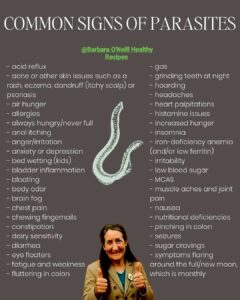
Here is a breakdown of how the common signs listed connect to a potential parasitic infection.
Digestive Distress: The Primary Battleground
The gut is the main entry point and home for many parasites. It’s no surprise that digestive symptoms are the most frequent complaints.
· Bloating, Gas, and Constipation/Diarrhea: Parasites can cause inflammation in the intestinal lining, disrupt the gut microbiome, and physically block passages, leading to alternating bouts of constipation and diarrhea, along with significant bloating and gas.
· “Fluttering” or “Pinching” in the Colon: This is a classic, though often dismissed, sensation that can feel like movement or spasms within the intestines.
· Acid Reflux: Inflammation and irritation from parasites can compromise the valve between the stomach and esophagus, allowing stomach acid to splash up.
· Irritable Bowel Syndrome (IBS): Many cases of diagnosed IBS are now being investigated for underlying parasitic causes, as the symptoms overlap almost perfectly.
· Increased Hunger & Sugar Cravings: Some parasites consume the food you eat, leaving you undernourished and signaling your brain that you need more, especially quick-energy sources like sugar. This can also contribute to low blood sugar.
Systemic and Neurological Symptoms: The Body-Wide Impact
When parasites steal nutrients, release metabolic waste, or migrate, the effects can be felt far beyond the gut.
· Fatigue and Weakness: This is a primary symptom. Parasites consume your nutrients, leading to malabsorption and nutritional deficiencies. Your body is essentially being starved while working overtime to fight an invader.
· Brain Fog, Anxiety, and Depression: The gut is often called the “second brain” due to the gut-brain axis. Inflammation in the gut can directly impact brain function. Furthermore, parasites can deplete nutrients vital for neurotransmitter production.
· Muscle Aches and Joint Pain: When parasites migrate and encyst in joint fluids or muscles, they can trigger an inflammatory immune response, causing pain that is often mistaken for arthritis or fibromyalgia.
· Headaches and Seizures: Inflammation and the release of neurotoxins by certain parasites can directly affect the central nervous system.
Skin, Hair, and Appearance: The External Clues
The skin is a major organ of elimination. When the liver and intestines are overloaded with toxins from parasites, the skin tries to take over.
· Acne, Rashes, Eczema, and Psoriasis: Chronic skin inflammation can be a sign of an internal battle and a burdened detoxification system.
· Dandruff (Itchy Scalp): This can be a localized reaction or linked to systemic inflammation.
· Body Odor: The toxic byproducts released by parasites can be excreted through sweat, leading to an unusual or strong body odor.
· Eye Floaters: Certain parasites, like Toxoplasma, can directly infect the eyes, causing visual disturbances.
Behavioral and Sleep-Related Signs
· Grinding Teeth at Night (Bruxism): This is a common but poorly understood symptom often observed in children and adults with parasites, potentially linked to nervous system irritation.
· Insomnia & Bed Wetting: Nightly activity of parasites can cause discomfort and disrupt sleep cycles. In children, this can manifest as restlessness and bedwetting.
· Irritability and Anger: The constant physical drain and neurological impact can severely affect mood and patience.
· Chewing Fingernails: This is a common habit, but when combined with other symptoms, it can be a risk factor for introducing parasite eggs.
Immune and Metabolic Dysregulation
A chronic parasitic infection places a constant strain on the immune system, which can lead to dysregulation.
· Allergies and Histamine Issues (MCAS): Parasites trigger the release of immunoglobulin E (IgE), an antibody involved in allergic responses. This can lead to new or worsening allergies, food sensitivities, and conditions like Mast Cell Activation Syndrome (MCAS).
· Iron-Deficiency Anemia: Some parasites, particularly hookworms, feed on blood in the intestinal wall, leading directly to blood loss and anemia.
· Symptoms Flaring with the Moon Cycle: While it may sound esoteric, some practitioners and patients report symptom flares around the full and new moon. The theory is that these lunar cycles influence parasite reproductive activity, causing a die-off (Herxheimer) reaction.
What to Do If You Suspect a Parasite
If you identify with multiple symptoms on this list, it’s important not to self-diagnose but to take proactive steps.
1. Consult a Healthcare Professional: Speak with a doctor or a functional medicine practitioner who is knowledgeable about parasitic infections. They can order comprehensive stool tests, which are more accurate than standard single-sample tests.
2. Focus on a Parasite-Unfriendly Diet: Eliminate or drastically reduce sugar and refined carbohydrates, which feed parasites. Increase anti-parasitic foods like garlic, pumpkin seeds, pomegranate, and coconut oil.
3. Support Your Body’s Defenses: A healthy gut and robust immune system are your first line of defense. Focus on a whole-foods diet, rich in fiber and nutrients, and consider a high-quality probiotic.