
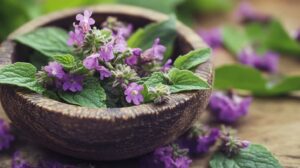
Purple Deadnettle Isn’t Just a Weed — It’s a Herbal Powerhouse
Walk through almost any garden, roadside, or empty lot, and you’ll likely spot a small plant with soft, fuzzy leaves and purple-tinged tops. Most people ignore it—or worse, pull it out and toss it away without a second thought.
But what if that “weed” was actually one of nature’s most underrated healing plants?
Meet purple deadnettle (Lamium purpureum)—a humble wild herb with a surprisingly rich history and a wide range of health-supporting properties.
What Is Purple Deadnettle?
Purple deadnettle is a member of the mint family, though it doesn’t have the strong aroma you might expect. It’s easily recognized by its heart-shaped leaves, square stems, and distinctive purple hue near the top.
Despite its name, it doesn’t sting like nettle. In fact, it’s completely gentle to the touch—and to the body.
This plant thrives in disturbed soils, which is why it shows up in gardens, sidewalks, and fields. Its resilience is part of what makes it so powerful.
A Nutritional and Medicinal Treasure
Purple deadnettle may look ordinary, but it’s packed with beneficial compounds that support overall wellness.
1. Rich in Antioxidants
This plant contains natural antioxidants that help the body combat oxidative stress. Oxidative stress is linked to aging, inflammation, and chronic diseases, so consuming antioxidant-rich plants can help support long-term health.
2. Immune System Support
Thanks to its blend of vitamins and plant compounds, purple deadnettle may help strengthen the immune system. Traditionally, it has been used to help the body fend off common illnesses and recover more quickly.
3. Digestive Soothing Properties
Purple deadnettle has mild anti-inflammatory effects that can help calm the digestive system. It has been used in teas to ease minor stomach discomfort, bloating, and irritation.
4. Natural Antibacterial and Antifungal Effects
One of its most impressive qualities is its ability to fight unwanted microbes. Purple deadnettle has been traditionally used to help the body resist bacterial and fungal issues, both internally and externally.
5. Skin and Wound Support
Applied topically, it has been used in herbal remedies to soothe minor cuts, scrapes, and skin irritations. Its gentle cleansing and calming properties make it a useful addition to natural first-aid practices.
Traditional and Modern Uses
Historically, herbalists have used purple deadnettle in several ways:
- Herbal teas for digestion and immune support
- Poultices applied to the skin for minor wounds
- Infusions used as gentle tonics
Today, foragers and natural health enthusiasts are rediscovering its value, incorporating it into teas, tinctures, and even salads (young leaves are edible when properly identified).
Why Most People Overlook It
The biggest reason purple deadnettle is ignored is simple: perception.
Modern culture often labels any wild, fast-growing plant as a “weed,” assuming it has no value. But many of these plants were once essential parts of traditional medicine.
Purple deadnettle is a perfect example of how much knowledge has been lost—or forgotten.
Important Safety Notes
While purple deadnettle is generally considered safe:
- Always properly identify the plant before use
- Avoid areas treated with pesticides or pollutants
- Consult a healthcare professional if you’re pregnant, nursing, or on medication
Foraging safely and responsibly is essential.
Final Thoughts
Purple deadnettle is a reminder that nature often hides powerful remedies in plain sight. What many people dismiss as a nuisance plant is actually a nutrient-rich, versatile herb with a long history of traditional use.
Next time you see it growing nearby, don’t rush to pull it out.
You might be looking at one of the most overlooked herbal allies right at your feet 🌿