

Frequencies, emotions, and sounds are deeply interconnected with the human body and its organs. As naturally resonant beings, humans constantly interact with vibrations—both internal and external. Whether we are aware of it or not, our physical, mental, and emotional well-being is influenced by the frequencies we experience every day.
The Human Body as a Resonant System
Every organ, tissue, and cell in the human body has its own natural frequency. Just as musical instruments vibrate at specific tones, the body functions best when its internal vibrations are balanced and harmonious. When this balance is disrupted—by stress, emotional strain, or environmental factors—the body may move out of resonance, which can affect overall well-being.
Modern science already recognizes that the body communicates through electrical and vibrational signals. Brain waves, heart rhythms, and nervous system impulses all operate on measurable frequencies, showing that vibration is a fundamental aspect of life.
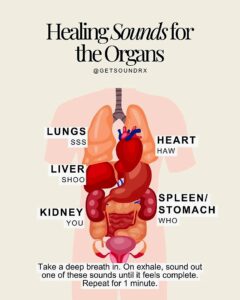
Emotions and Their Vibrational Impact
Emotions are not just psychological experiences; they also have physical effects on the body. Emotional states such as calmness, joy, or gratitude tend to promote balanced physiological responses, while prolonged stress or emotional tension can influence breathing, heart rhythm, muscle tone, and digestion.
Different emotions are often felt in different areas of the body. For example, emotional stress may be felt as tightness in the chest, discomfort in the stomach, or tension in the neck and shoulders. This suggests a close relationship between emotional states and specific organs or systems within the body.
Sound and Its Influence on the Body
Sound is vibration made audible, and it interacts directly with the human nervous system. Rhythms, tones, and melodies can influence breathing patterns, heart rate, and even brain activity. This is why calming music can help the body relax, while loud or chaotic noise may create tension or agitation.
Throughout history, many cultures have used sound intentionally for relaxation, focus, or spiritual practices. Chanting, humming, drumming, and listening to harmonious tones have long been associated with promoting inner balance and mental clarity.
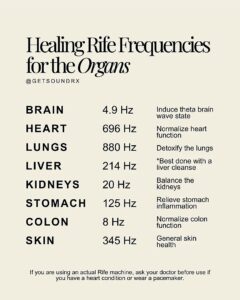
Frequencies and Healing Environments
The environments we spend time in also carry frequencies—natural sounds, urban noise, music, and even silence all affect the body differently. Natural soundscapes such as flowing water, wind, or birdsong are often associated with relaxation and emotional balance, while constant noise pollution can contribute to mental fatigue and stress.
Creating a harmonious environment through sound awareness can support overall well-being. Simple practices like mindful listening, reducing background noise, or choosing calming sounds can help the body return to a more balanced state.
Conscious Awareness and Balance
While the body naturally seeks harmony, conscious awareness can enhance this process. Paying attention to how certain sounds, music, or emotional states affect the body allows individuals to make choices that support balance and well-being.
Practices such as deep breathing, mindful listening, meditation, or gentle sound exposure can help align physical sensations with emotional and mental states. Over time, this awareness can improve the body’s natural ability to regulate itself.
Conclusion
Frequencies, emotions, and sounds are not separate elements but interconnected aspects of human experience. As resonant beings, we constantly respond to vibrations within and around us. By understanding and respecting this connection, we can create environments and habits that support harmony in the body, mind, and emotions—often without even realizing it.
Balance is not something we force; it is something we allow by tuning into the natural rhythms of life.