
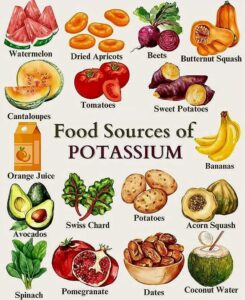
Top Potassium-Rich Foods and Why Your Body Needs Them
Potassium is one of the most important minerals for maintaining overall health. It supports heart function, balances fluids in the body, helps regulate blood pressure, and keeps muscles and nerves functioning properly. Unfortunately, many people do not get enough potassium from their diets, which can lead to fatigue, muscle cramps, and imbalanced electrolytes.
The good news? Potassium is abundant in natural, whole foods—especially fruits, vegetables, and plant-based sources. Here are some of the best potassium-rich foods and the benefits they offer.
1. Watermelon – Hydration + Electrolyte Support
Watermelon is refreshing and naturally rich in potassium, making it excellent for hydration. Its high water content helps replenish electrolytes, especially after exercise or hot weather.
2. Dried Apricots – Nutrient-Dense Potassium Boost
Dried apricots pack a significant amount of potassium in a small serving. They’re ideal for quick energy, supporting muscle function, and maintaining healthy blood pressure.
3. Beets – Heart & Blood Pressure Support
Beets are full of potassium and natural nitrates that help support healthy blood flow. They may enhance stamina and improve cardiovascular function.
4. Butternut Squash – Potassium for Muscle & Nerve Health
This nutrient-packed vegetable provides a rich dose of potassium along with vitamin A, making it great for muscle function and immune health.
5. Cantaloupes – Hydrating & Mineral-Rich
Cantaloupe’s sweet, juicy flesh delivers electrolytes like potassium, supporting hydration, heart health, and energy levels.
6. Tomatoes – Blood Pressure & Heart Health
Tomatoes contain potassium and lycopene, an antioxidant linked to heart protection. Tomato juice and sauces often contain even higher concentrations.
7. Sweet Potatoes – Potassium Powerhouse
Sweet potatoes are one of the top natural sources of potassium. They help reduce muscle cramps, stabilize blood sugar, and promote steady energy throughout the day.
8. Bananas – The Classic Potassium Food
Bananas are well-known for their potassium content. They support muscle recovery, nerve function, and electrolyte balance—perfect for athletes and active individuals.
9. Orange Juice – Quick Liquid Potassium
Fresh orange juice provides fast-absorbing potassium and vitamin C, making it a great choice for hydration and immune support.
10. Avocados – Healthy Fats + Potassium
Avocados contain more potassium than bananas! They also provide heart-healthy fats and fiber, making them ideal for weight management and brain function.
11. Swiss Chard – Mineral-Rich Leafy Green
Swiss chard delivers a strong dose of potassium along with magnesium and iron. It’s excellent for supporting circulation, energy production, and muscle health.
12. Potatoes – Everyday Potassium Champion
Regular potatoes are surprisingly high in potassium—especially when eaten with the skin. They support nerve transmission and normal heart rhythms.
13. Acorn Squash – Nourishing & Potassium-Packed
Acorn squash supports digestion and provides plenty of potassium to help maintain healthy blood pressure.
14. Spinach – Leafy Green Power
Spinach is rich in potassium and magnesium, making it perfect for muscle relaxation, nerve balance, and reducing stress-related fatigue.
15. Pomegranate – Antioxidants + Electrolytes
Pomegranates provide both antioxidants and potassium, supporting brain health, circulation, and heart function.
16. Dates – Natural Energy + Mineral Support
Dates are a naturally sweet, mineral-rich food that helps replenish potassium and glucose, providing quick energy and supporting muscle recovery.
17. Coconut Water – Nature’s Electrolyte Drink
Often called “nature’s sports drink,” coconut water is rich in potassium and helps restore hydration after exercise, illness, or heat exposure.
Why Potassium Matters
Adequate potassium levels help:
✔ Regulate blood pressure
✔ Maintain proper muscle function
✔ Protect heart health
✔ Support nerve signaling
✔ Balance fluids in the body
✔ Prevent cramps and fatigue
A diet rich in fruits, vegetables, seeds, and plant-based foods can help you meet your daily potassium needs naturally.