
Why Women Face Higher Cancer Risks: Understanding Real Factors Beyond Myths
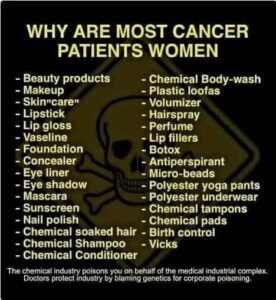
Many social media posts claim that beauty products and everyday items are the reason most cancer patients are women. While it’s true that women often use more personal-care products than men, the full picture is much more complex. Cancer is influenced by many biological, lifestyle, and environmental factors—not just cosmetics or chemicals.
This article explores what science actually knows about why certain cancers affect women more often, and how to reduce exposure to potentially harmful substances.
1. Biological Differences Play a Major Role
Women have unique hormone cycles—especially estrogen and progesterone—which influence the development of certain cancers. For example:
-
Breast cancer is strongly linked to estrogen exposure.
-
Ovarian and cervical cancers occur only in women.
-
Autoimmune diseases, which raise cancer risk, are more common in women.
These biological factors alone greatly affect cancer statistics.
2. Longer Life Expectancy Increases Risk
Women statistically live longer than men in many countries. Because cancer risk increases with age, women naturally appear more often in long-term cancer statistics simply due to longevity.
3. Exposure to More Personal-Care Products
Women generally use more:
-
Skin care products
-
Makeup
-
Perfumes
-
Hair products
-
Nail products
Some of these items can contain potentially harmful chemicals—such as parabens, phthalates, and certain preservatives—that may act as endocrine disruptors. These chemicals might affect hormone regulation, but research is ongoing and results are mixed.
Not every chemical is dangerous, and not every product raises cancer risk—but reducing unnecessary exposure is wise.
4. Marketing and Social Pressure Increase Product Use
Women are the target of multi-billion-dollar beauty and personal-care industries. This results in:
-
Daily use of dozens of chemical-containing products
-
Frequent use of hair treatments, dyes, and cosmetics
-
Exposure to fragranced items and aerosols
While most products are considered safe, cumulative exposure is an area researchers continue to study.
5. Lifestyle and Occupational Differences
Women are more likely to work in certain industries—such as cleaning, hospitality, and beauty services—that involve frequent contact with:
-
Strong detergents
-
Disinfectants
-
Aerosols
-
Dyes and solvents
Long-term exposure to these chemicals may increase certain cancer risks.
6. Environmental and Household Factors
Women often spend more time using household cleaning products, which may contain:
-
Ammonia
-
Bleach
-
Fragrance chemicals
-
Volatile organic compounds (VOCs)
Some studies suggest long-term exposure can affect lung health or hormone systems, but evidence is still emerging.
7. Misconceptions About “Chemical Poisoning”
Posts online often blame cancer entirely on cosmetic chemicals. This is not accurate.
Doctors do not hide the cause of cancer, nor is there a “medical industrial plot.”
Cancer is a complex disease influenced by:
-
Genetics
-
Hormones
-
Age
-
Diet
-
Environmental exposure
-
Viral infections (e.g., HPV)
It is misleading to claim that makeup or shampoo alone cause cancer.
How Women Can Reduce Their Cancer Risk Safely
Here are evidence-based steps that truly help:
1. Choose safer personal-care products
-
Look for fragrance-free or low-chemical formulas.
-
Avoid excessive deodorant, perfume, and hairspray use.
2. Prioritize a healthy lifestyle
-
Eat a plant-rich diet.
-
Exercise regularly.
-
Maintain a healthy weight.
3. Limit alcohol consumption
Alcohol significantly increases breast cancer risk.
4. Get recommended cancer screenings
-
Pap smears
-
Mammograms
-
HPV testing
Early detection saves lives.
5. Avoid smoking and secondhand smoke
Still one of the largest preventable causes of cancer.
Conclusion
While women may be exposed to more personal-care chemicals than men, this is only one small piece of a much larger picture. Cancer is influenced by biology, hormones, lifestyle, environment, and genetics—not simply makeup or shampoo.
Understanding the real science empowers women to make safer choices without falling victim to fear-based misinformation.
One Response